Programme
Zakat eligibleEmpower families to earn their own living
Eight ways to help a family earn its own living: women's enterprise, youth skills, small business grants, vocational training, family farms, ability support, family livelihoods and enterprise startups.
- 0
- families supported to earn
Live figures as of 5 November 2026.
Ways to give
Choose how you help
What your donation provides
- £50Support a family livelihood
- £150A small business grant
- £200An enterprise startup
How your donation reaches them
Assessment
Applicants are assessed on need, plan and commitment.
Support
Training, tools or a grant is provided, recorded in full.
Follow-up visit
We return to see the income growing and report back to donors.
The best way out of poverty is an income. Empower gives people the training, tools and small grants to build one: a sewing machine for a women's group, tools for a young apprentice, seed and tools for a family farm, a startup grant for a market trader.
Every recipient is assessed and followed up, so we fund what works and learn from what does not.
“The sewing machine paid for itself in four months. Now I teach two other women.”
Why we do it
“The upper hand is better than the lower hand.”
Sahih al-Bukhari and Muslim
Questions
What are the eight Empower sub-projects?
Women, Youth, Business, Skills, Farms, Ability, Families and Enterprise. Each funds a different route to a family income.
How are recipients chosen?
By assessment of need, plan and commitment, with a follow-up visit to every recipient.
Is a grant ever repaid?
No. Grants are gifts, but every recipient is followed up so we fund what works.
Can I give monthly?
Yes. Monthly gifts let us plan training courses and grants ahead of time.
Reports from the field
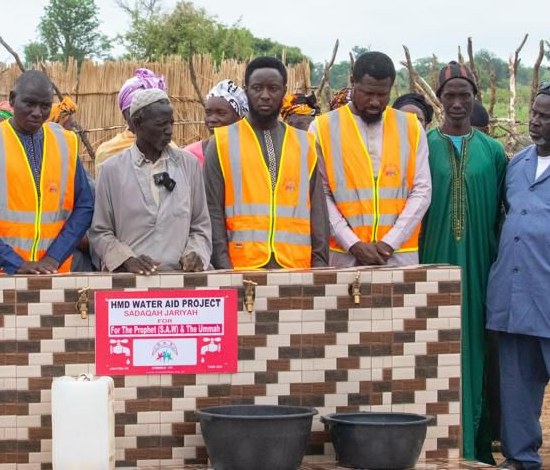
Water reaches Sinchu Garba
The new borehole in Sinchu Garba is pumping clean water for the whole village.
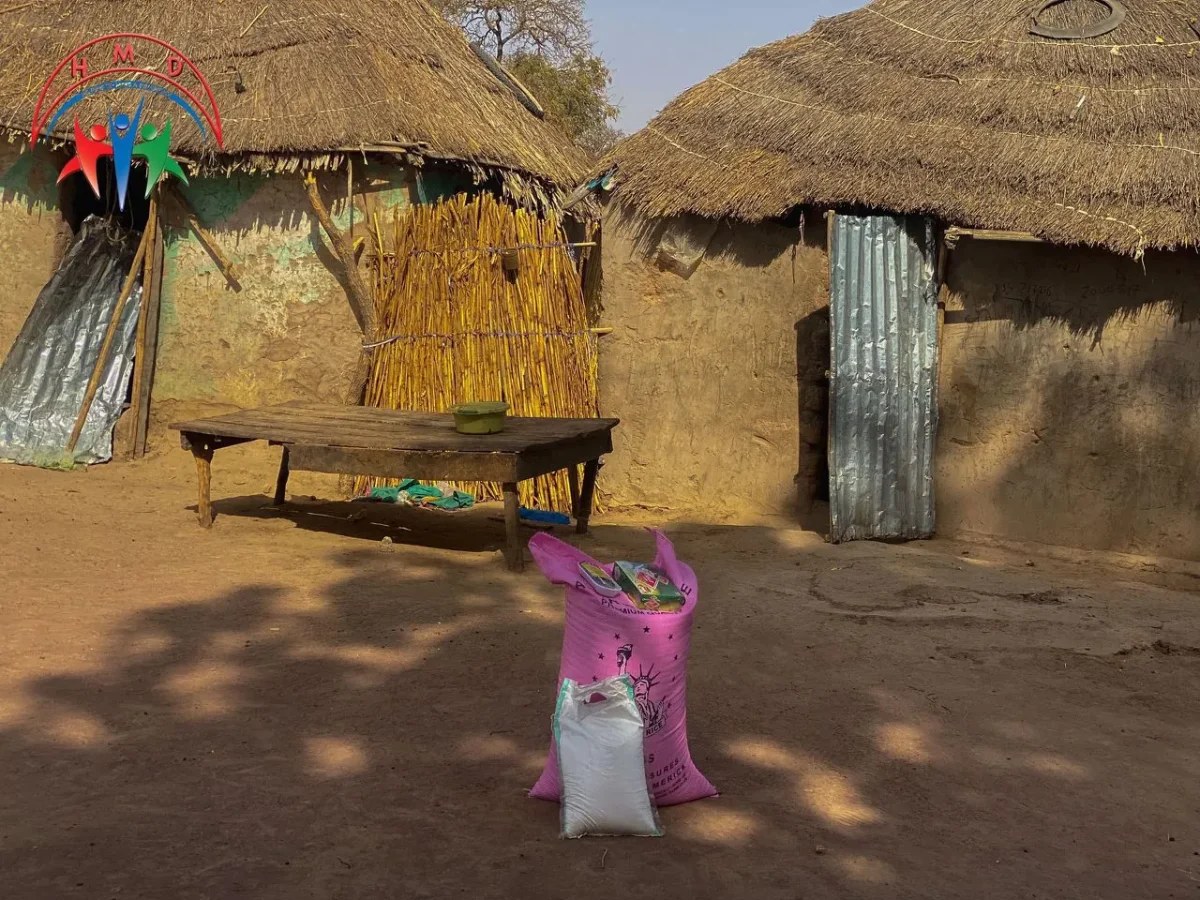
Guinea-Bissau emergency assessment
Our team visited flood-hit communities around Bissau to see what families need most.
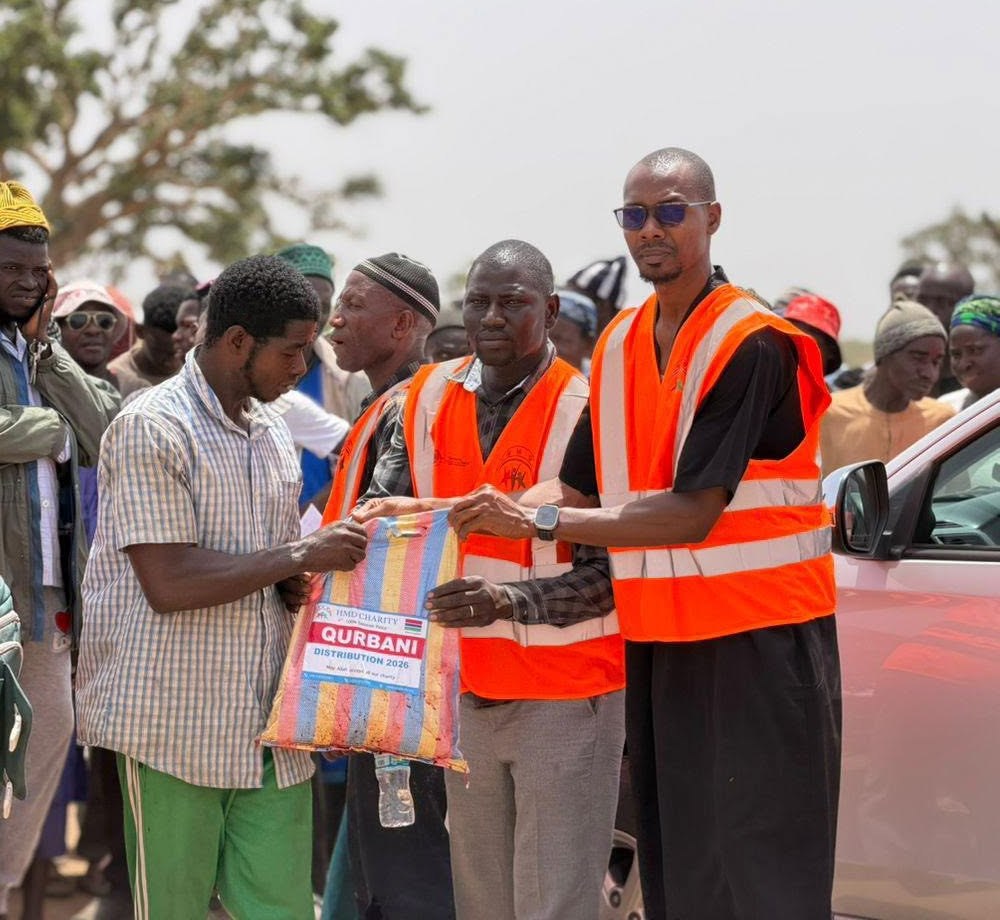
Qurbani 2026: 1,125 shares for 3,600 families
Your Qurbani reached 3,600 families across The Gambia and Guinea-Bissau.