Programme
Zakat eligibleFeed a family this Ramadan
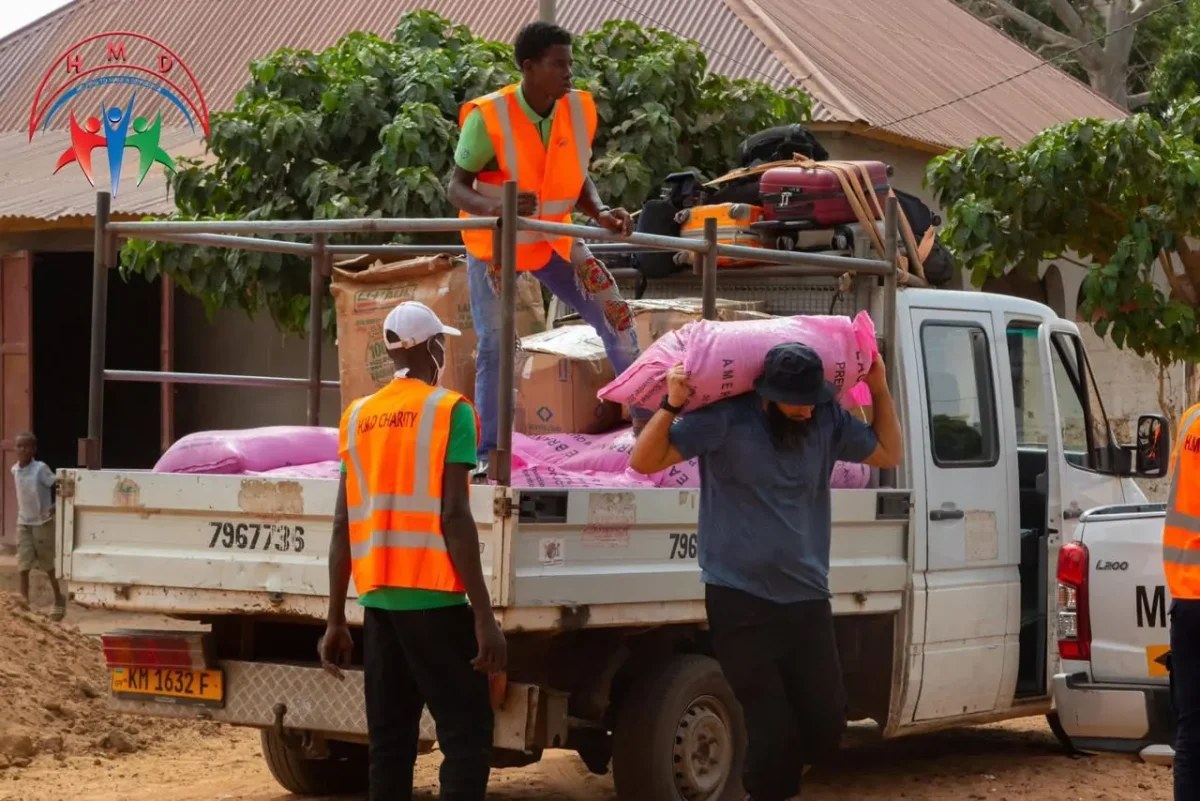
Each package feeds a family of five for the month: rice, oil, sugar, dates and essentials, bought locally and delivered household by household.
- 0
- Ramadan packages delivered
Live figures as of 5 November 2026.
Ways to give
Choose how you help
What your donation provides
- £60One Ramadan package
- £120Two packages
- £300Five packages
How your donation reaches them
Survey
Field teams record which households need support most.
Local purchase
Food is bought in local markets ahead of the month.
Delivery
Packages reach families before Ramadan begins.
Report
Donors receive photos and a delivery report.
Ramadan should be a month of worship, not worry. Each Ramadan package feeds a family of five for the whole month: rice, oil, sugar, dates and essentials, bought in local markets and delivered before the month begins.
Our field teams survey households ahead of Ramadan so the families most in need are first in line, and every delivery is photographed and recorded.
“For the first time we welcomed Ramadan without debt. The children watched the moon with full stomachs.”
Why we do it
“Whoever feeds a fasting person will have a reward like theirs, without that detracting from the reward of the fasting person in the slightest.”
Reported by al-Tirmidhi
Questions
What is in a Ramadan package?
Rice, oil, sugar, dates and essentials, enough for a family of five for the month.
When are packages delivered?
Before Ramadan begins, so families start the month prepared.
Can I give my Zakat as Ramadan packages?
Yes. Tick the Zakat option when you donate and it is routed accordingly.
Which countries receive packages?
The Gambia, Guinea-Bissau and Uganda, through our own field teams.
Reports from the field
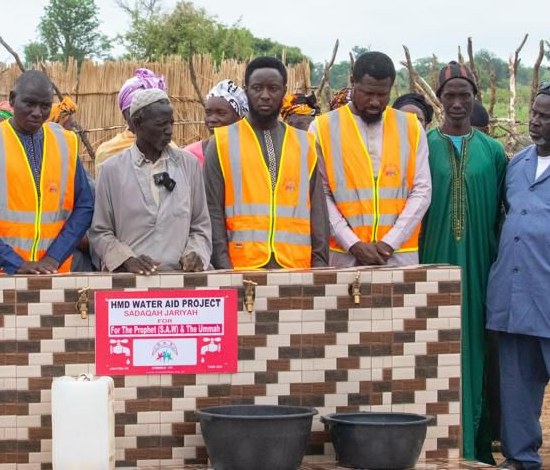
Water reaches Sinchu Garba
The new borehole in Sinchu Garba is pumping clean water for the whole village.
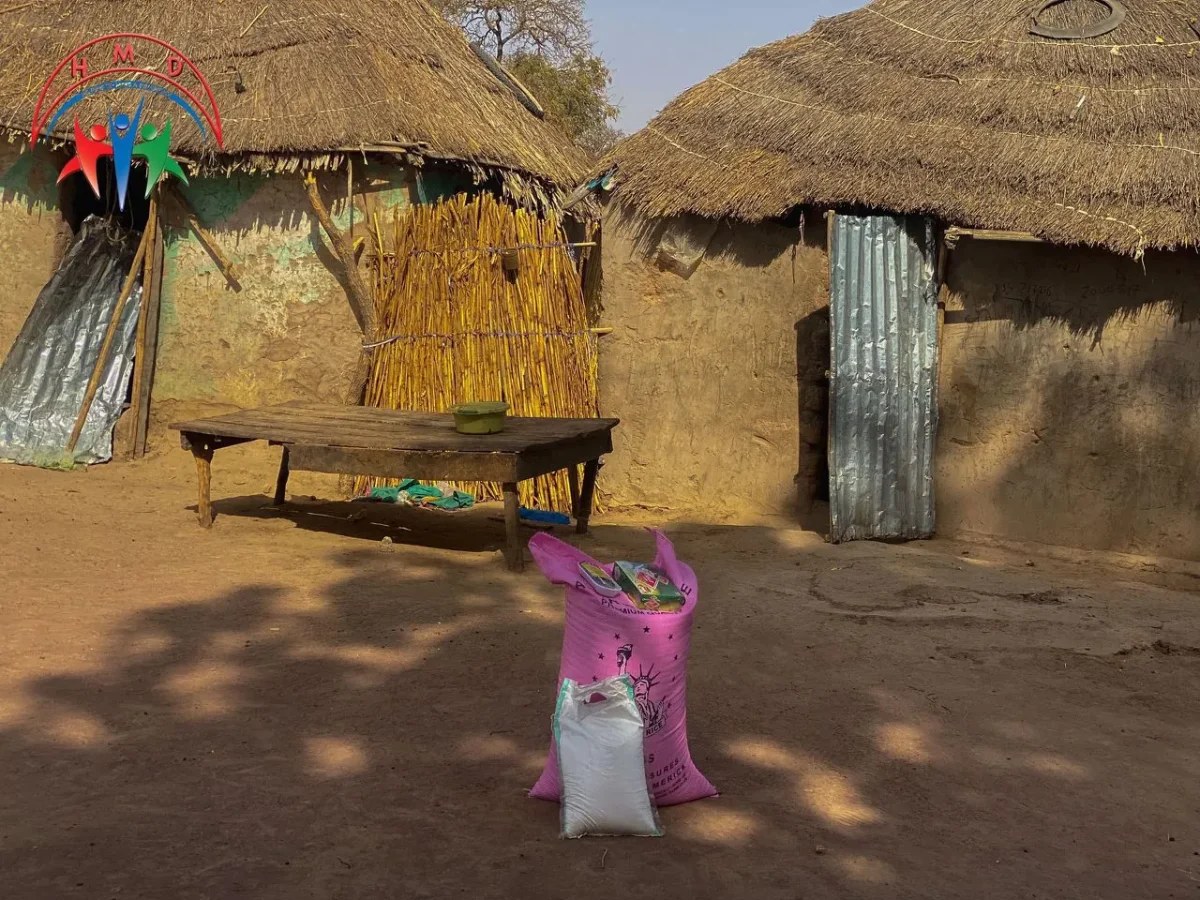
Guinea-Bissau emergency assessment
Our team visited flood-hit communities around Bissau to see what families need most.
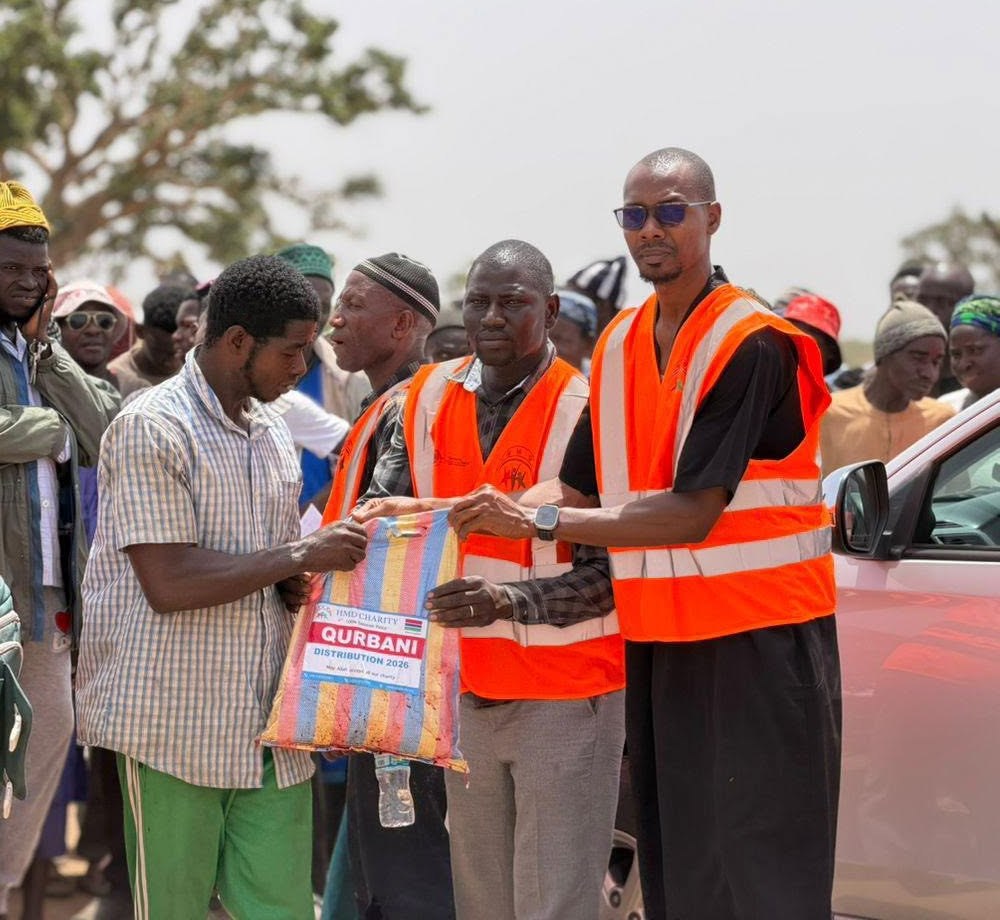
Qurbani 2026: 1,125 shares for 3,600 families
Your Qurbani reached 3,600 families across The Gambia and Guinea-Bissau.